
Modernization Protocol
Digital
Transformation
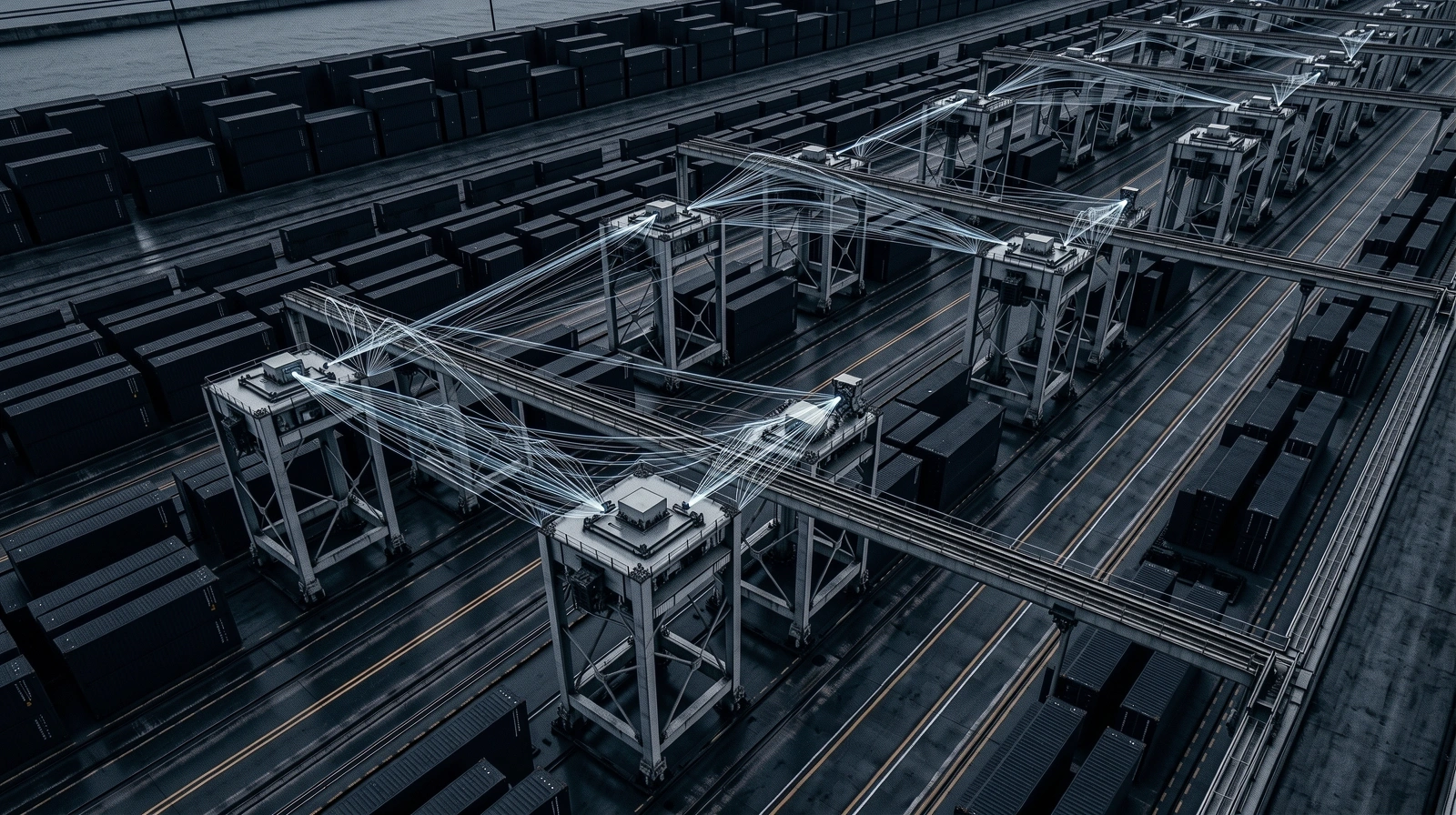
Methodologies for integrating legacy transport systems with modern data-driven protocols. Analyzing the intersection of physical infrastructure and digital oversight.
Analyze Framework →Enterprise Management & Infrastructure Development
True modernization is not a hardware purchase; it is a structural realignment. We define Digital Transformation as the procedural shift that allows American transport networks to achieve higher Supply Chain Efficiency through the rigorous application of Corporate Standards and Strategic Planning.
Technical Interoperability
Aligning disparate regional transit authorities under unified data entry protocols to eliminate bottlenecking at modal hand-offs.
Predictive Maintenance
Transitioning from fixed-schedule servicing to real-time component health monitoring via high-resolution telemetry.
Digital Infrastructure Resilience
Securing physical network endpoints at the edge—relay stations, port sensors, and track monitors—against unauthorized high-level data access.
Standardization as the Foundation of Digital Readiness
Digital Transformation in the American freight and transit corridors is frequently hindered by a "hardware-first" mentality. Large-scale modernization efforts often focus on the procurement of advanced sensors and automated vehicles while neglecting the underlying Data Security protocols and Resource Planning required to manage them.
At the American Digital Infrastructure Center, our Fleet Research indicates that the most significant bottleneck in logistics is the failure to establish precise digital signature standards across state lines. Effective US Freight Policy hinges on paperless document management at port exits—a feat only possible when every system adheres to National Industry Best Practices.
Critical Pitfall: Lifecycle Mismatch
Infrastructure assets (bridges, ships, rail cars) have lifecycles measured in decades. Software cycles are measured in months. Failure to align procurement with rapid digital updates leads to "stranded assets"—multi-billion dollar hardware that cannot communicate with current network standards.
Operational Optimization Targets
- Digital twinning of high-volume freight corridors for traffic simulation.
- Consolidating decentralized fleet data to reveal routing redundancies.
- Establishing offline fallback capabilities for critical signaling data.
- Training dispatchers on automated fleet arrival estimations (ETAs).
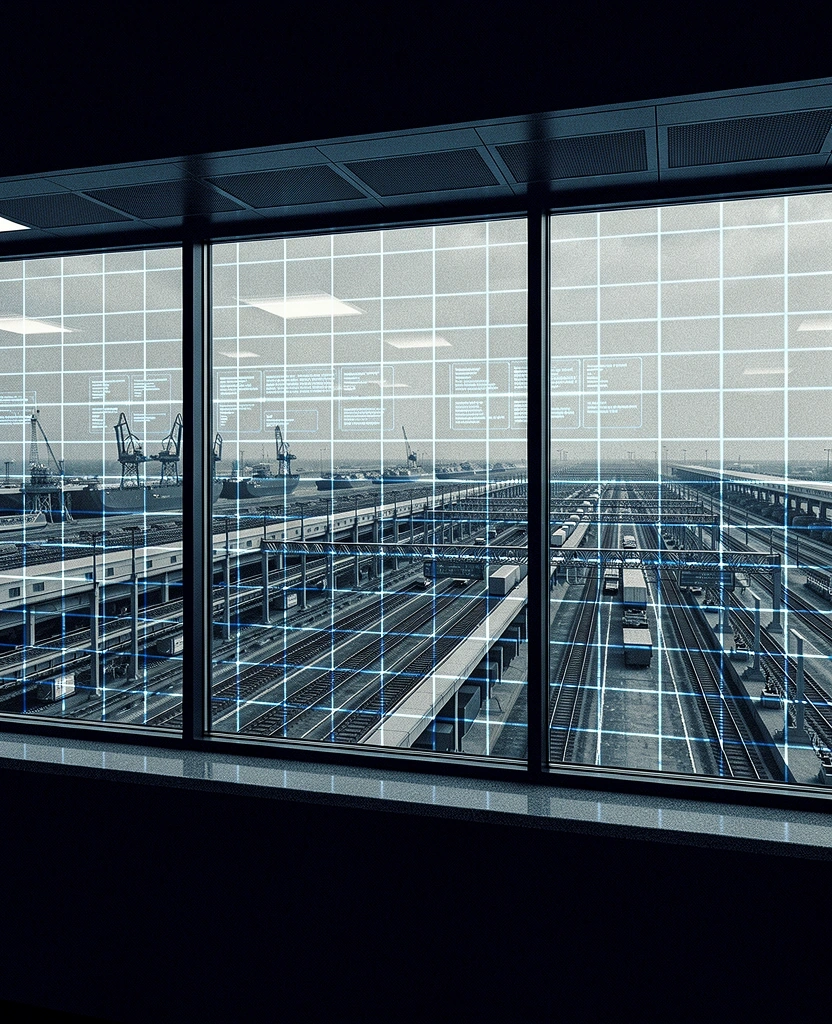
"Modernizing transport is not an act of replacement, but an act of integration. We must design for the 'Resilient Edge'—where physical hardware and autonomous software coexist without compromising national logistics integrity."
Authorization
Infrastructure Standards Board
Status
Certified Framework

Internal Framework
Inland Telemetry Expansion

Fleet Research
Next-Gen Carrier Standards

Protocol Access
Network Governance API
Advance Your System Architecture
Access our repository of Business Ethics, Strategic Methods, and Verification Standards to begin the phase-gate implementation of modern digital infrastructure within your organization.