
Fleet Research Protocol
Fleet
Modernization
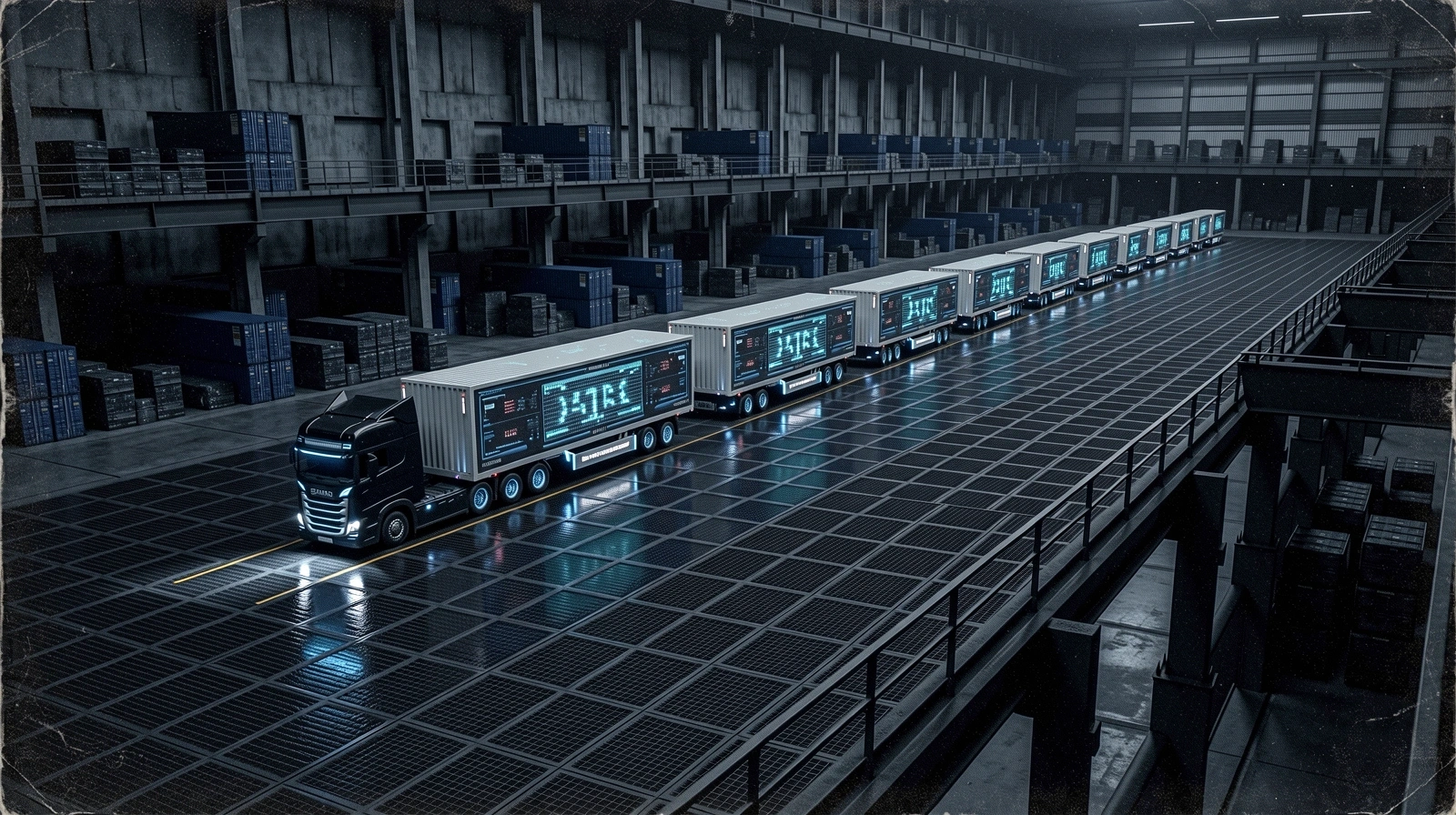
Reviewing the critical intersections of US Freight Policy and digital infrastructure. Our research examines vehicle standardization, telematics gaps, and the transition toward autonomous logistics corridors within the American transport framework.
The Telemetry Gap Analysis
Transitioning from localized fleet reporting to standardized national data protocols is no longer optional. Our 2026 research indicates that the lack of cross-border telematics alignment costs US logistics operators billions in operational friction annually.
Zero-Emission Obstacles
Adoption is hindered not by hardware, but by the absence of standardized interfaces for grid-to-vehicle communication across state lines.
Software Longevity
A modern tractor-trailer has 15 years of mechanical life but only 5 years of digital utility without standardized infrastructure updates.
Autonomous Platooning Standards
Standardizing long-haul truck platooning technologies is essential to prevent proprietary software silos from creating incompatible corridors on federal highways.
Supply Chain Friction Points

Real-Time Payload Oversight
Edge computing at the vehicle level allows for environmental monitoring of cargo, which is essential for the Enterprise Management of medical and chemical payloads requiring climate-standardized transport.

Biometric Manifest Systems
Standardizing cargo security through digital locks reduces physical inspection times at weighing stations. Strategic Planning must incorporate biometric manifests to meet 2026 security benchmarks.
Intermodal Handshake Gaps
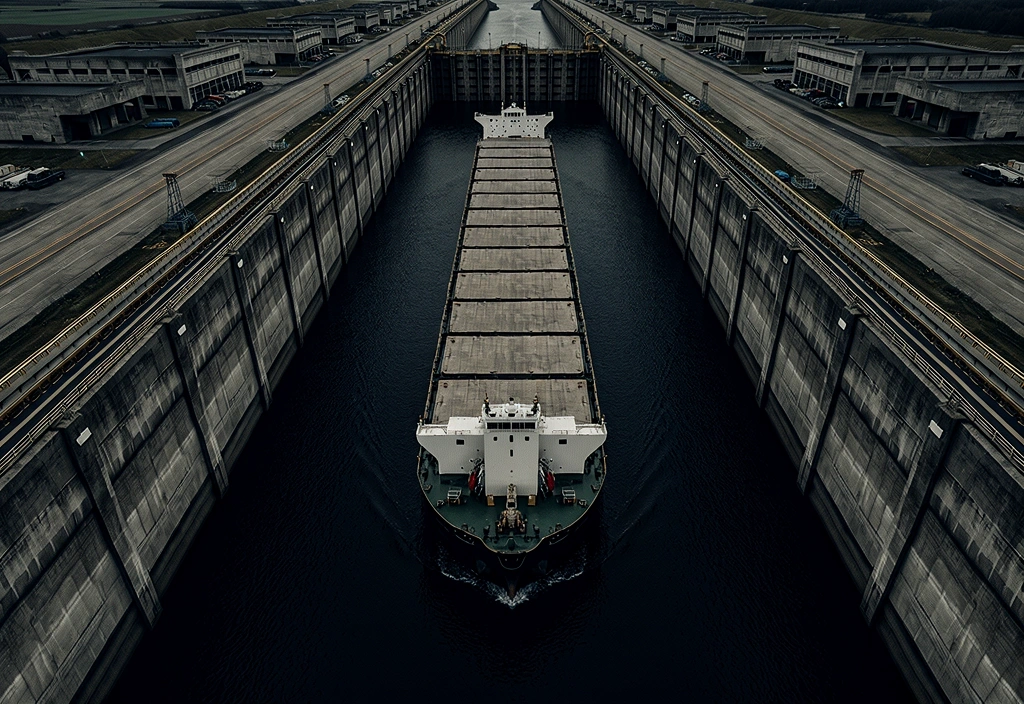
Inland waterway standardization lags behind road transport. This created a digital bottleneck at ports that prevents true door-to-door visibility for large-scale Resource Planning.
The role of the fleet manager is evolving from dispatch coordination to digital asset optimization.Standardization of cybersecurity baselines is the next frontier. Legacy systems frequently fail modern benchmarks, creating vulnerabilities through unsecured onboard diagnostic ports that threaten the entire national Supply Chain Efficiency.
Standardization
Impact Matrix
The Delta between Strategic Planning and current Industry Best Practices reveals critical friction points in infrastructure software adoption. Use this matrix to audit fleet readiness for the 2026-2030 digital expansion.
Audit Status
SYSTEM SECURE
Legacy Fleet Models
- Manual telemetry aggregation
- Reactive maintenance schedules
- Proprietary data silos
- Physical load verification
Digital Standards 2026+
- Real-time unified data streams
- Predictive, sensor-driven reliability
- Open architecture interoperability
- Biometric and blockchain logging
Infrastructure Impact Brief
Establishing Corporate Standards for data sovereignty is the primary challenge. Operators must navigate legal frameworks regarding who owns telematics data—the vehicle manufacturer, the fleet owner, or the federal infrastructure agency. Business Ethics in data handling will define the next decade of Digital Transformation.
Standardize Your Fleet
Acquire the technical alignment needed for enterprise-scale modernization. Our verification standards ensure your management systems meet the next generation of American logistics benchmarks.